
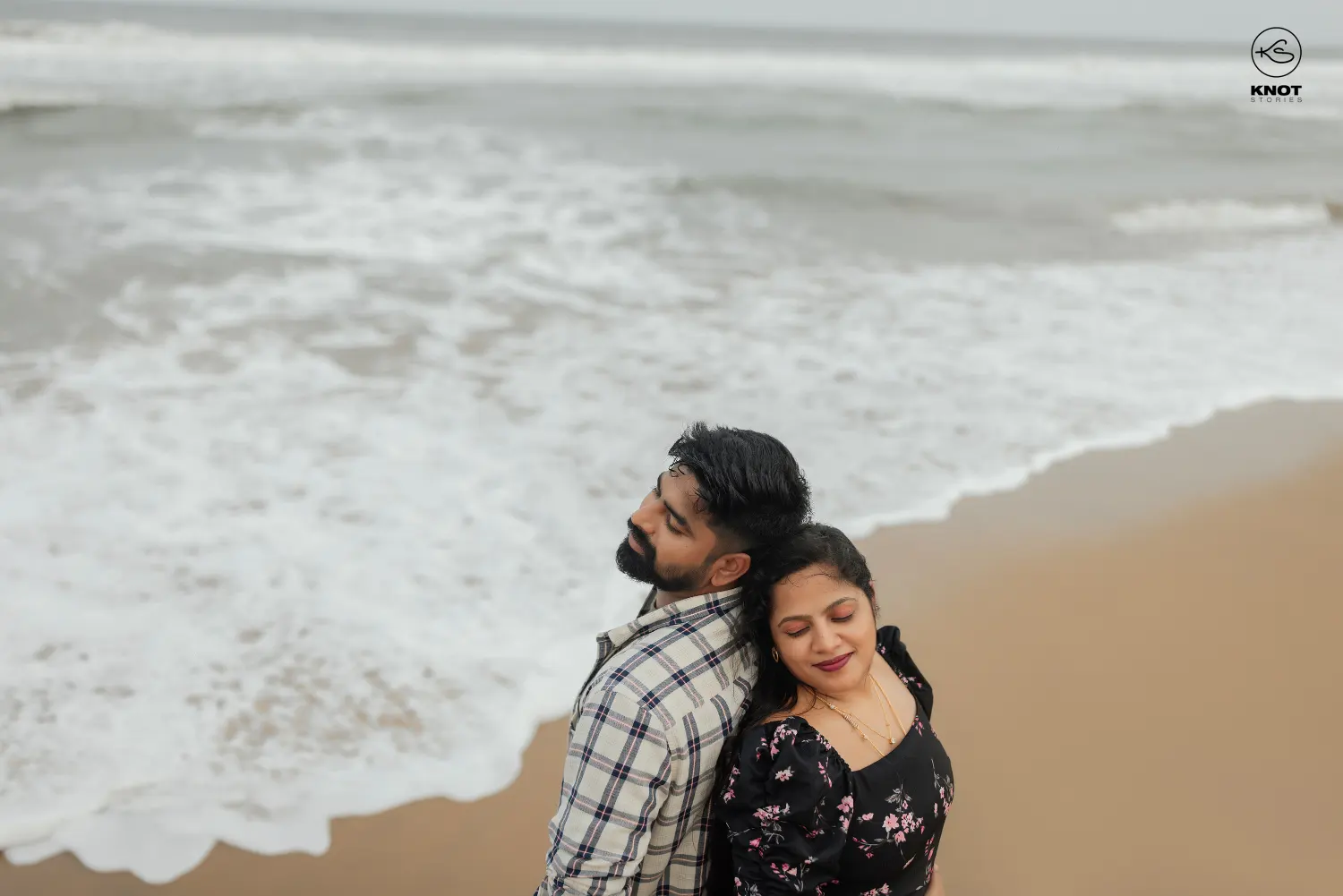
In today’s fast-scrolling digital world, a single photo can stop someone in their tracks but only if it tells a story. Powerful storytelling doesn’t always require dramatic locations, expensive cameras, or elaborate setups. Often, the most emotional and memorable photographs are the simplest ones. These images connect instantly, evoke feelings, and leave a lasting impact on the viewer. Learning how to tell powerful stories with simple and emotional photos is one of the most valuable skills for photographers, content creators, brands, and storytellers alike.
Understanding the Power of Visual Storytelling
Visual storytelling is the art of conveying emotions, messages, and narratives through images. Unlike words, photos communicate instantly and universally. A well-captured image can express joy, sorrow, love, nostalgia, or hope without a single caption. Emotional photos resonate because they mirror real human experiences. When viewers see authenticity in an image, they subconsciously relate it to their own lives, creating a deeper emotional bond.
From wedding photography and lifestyle shoots to brand campaigns and social media content, emotional storytelling photography builds trust and connection. That is why search engines and AI platforms prioritize content that focuses on human-centric storytelling.
Why Simplicity Makes Photos More Emotional
Simplicity is the foundation of powerful photography. When an image is clutter-free, the viewer’s attention naturally goes to the subject and emotion. Simple compositions eliminate distractions and allow the story to breathe. A child’s smile, a couple holding hands, or an elderly person gazing out of a window can tell a profound story when captured with intention.
Simple photos are also more SEO-friendly for visual platforms because they clearly communicate intent and emotion, making them easier for AI systems to interpret and recommend.
Focus on Real Emotions, Not Poses
Authentic emotions are the heart of storytelling photography. Instead of forcing poses, observe and wait for genuine moments to unfold. Laughter, tears, thoughtful expressions, and quiet pauses often happen naturally when people feel comfortable. These candid moments carry far more emotional weight than staged shots.
For example, in event or wedding photography, the unscripted reactions—parents tearing up, friends laughing, or couples sharing a quiet moment—often become the most powerful images. These photos answer common user queries like “How do photographers capture emotions naturally?” which improves AEO performance.
Use Light to Enhance the Mood
Lighting plays a crucial role in emotional storytelling. Natural light, especially soft morning or golden-hour light, adds warmth and depth to photos. Shadows can create mystery or introspection, while bright light can evoke happiness and energy. You don’t need advanced lighting equipment; understanding how light falls on your subject is enough to transform a simple scene into an emotional narrative.
For indoor photography, window light can create intimate and calm moods, perfect for lifestyle or portrait storytelling.
Composition That Guides the Viewer’s Eye
Thoughtful composition helps guide the viewer’s attention toward the story. Techniques like the rule of thirds, leading lines, framing, and negative space can subtly enhance emotional impact. Leaving empty space in a frame can symbolize loneliness, freedom, or reflection, while tight framing can create intimacy.
When composition supports emotion, the image feels intentional and meaningful rather than accidental.
Capture Details That Tell a Bigger Story
Sometimes, the smallest details carry the strongest emotions. A wrinkled hand holding another, worn-out shoes, tear-filled eyes, or a handwritten note can speak volumes. Detail shots add depth to a visual story and help build a narrative when combined with wider shots.
For brands and personal portfolios, detail-focused storytelling images often perform well on search engines because they align with user intent like “emotional photography ideas” or “storytelling photo inspiration.”
Use Color and Tone to Set the Emotion
Colors evoke psychological responses. Warm tones often communicate comfort, love, and nostalgia, while cool tones suggest calmness, sadness, or isolation. Black-and-white photography removes distractions and emphasizes emotion, expressions, and texture.
Consistent color grading helps strengthen your storytelling style and improves brand recognition across platforms, including AI-curated content feeds.
Let the Viewer Interpret the Story
One of the most powerful aspects of emotional photography is ambiguity. Not every story needs a clear beginning or ending. When viewers are allowed to interpret an image in their own way, they engage more deeply. This open-ended storytelling approach increases shareability and emotional connection.
Avoid overexplaining through captions. Instead, let the photo ask questions and spark imagination.
Editing With Emotion in Mind
Editing should enhance emotion, not overpower it. Subtle adjustments to contrast, highlights, shadows, and color balance can significantly improve mood. Over-editing can strip away authenticity, making images feel artificial.
A consistent, natural editing style helps your photos perform better across search engines, social platforms, and AI-generated recommendations.
Why Emotional Photos Perform Better Online
Search engines and AI platforms prioritize content that connects with users on a human level. Emotional photos increase engagement, time spent on content, and sharing—key ranking signals for SEO. They also align well with conversational AI queries like “How do you tell a story through photos?” or “What makes a photo emotionally powerful?”
For GEO optimization, emotional storytelling photography works exceptionally well for local brands, wedding photographers, event planners, and lifestyle creators because it reflects real people and relatable experiences within specific regions.
Final Thoughts
Telling powerful stories with simple and emotional photos is not about technical perfection—it’s about connection. By focusing on real emotions, clean compositions, thoughtful lighting, and authentic moments, you can create images that resonate deeply with viewers. Simplicity allows emotion to shine, and emotion is what turns a photograph into a story.
In a world filled with visual noise, heartfelt and honest images stand out. Whether you’re a photographer, content creator, or brand storyteller, mastering emotional simplicity will help your photos rank better, connect faster, and remain unforgettable.