
5 Common Misconceptions About Candid Photography in Destinations
5 Common Misconceptions About Candid Photography in Destinations Candid photography has become a cherished aspect of destination weddings, capturing genuine emotions and spontaneous moments that make each event unique. However, several misconceptions can cloud expectations and lead to misunderstandings between couples and photographers. At Knotstories, we aim to clear the air by debunking five common myths about candid photography in destination weddings. 1. Myth: Candid Photography Is Just Point-and-ShootReality: While candid photography captures spontaneous moments, it requires a great deal of skill, planning, and timing. A candid photographer must be highly observant and anticipate moments before they happen. They work with natural lighting and composition to create visually appealing and emotionally resonant images. It’s not just about being present; it’s about being in the right place at the right time with the right lens. 2. Myth: Candid Photos Are Always UnposedReality: While candid photos are generally unposed, not all of them are purely spontaneous. Experienced photographers often guide their subjects into comfortable positions or activities that naturally lead to genuine expressions. For instance, a photographer might ask a couple to walk hand-in-hand along the beach, knowing it will produce natural smiles and loving glances. The result is a candid moment that feels genuine but benefits from a little direction. 3. Myth: Candid Photography Means All Photos Will Be PerfectReality: Candid photography is about capturing real emotions, which means not every photo will be “perfect” in the traditional sense. Some images may include imperfections like blurred motions or unexpected elements in the frame. However, these imperfections often add to the authenticity and charm of candid photos, telling a more comprehensive story of the day. 4. Myth: Candid Photographers Don’t Need to PrepareReality: Preparation is crucial in candid photography, especially for destination weddings. Photographers must scout locations, understand lighting conditions, and plan their equipment needs. They also need to communicate with the couple to understand their preferences and the flow of events. This preparation ensures that the photographer can adapt to various situations and capture moments as they unfold. 5. Myth: Candid Photography Doesn’t Require Special EquipmentReality: High-quality candid photography often requires specialized equipment. Photographers may use fast lenses for low-light situations, silent shutters to avoid disturbing intimate moments, and compact cameras for discreet shooting. The choice of equipment allows photographers to capture authentic moments without being intrusive. ConclusionCandid photography in destination weddings is an art form that blends spontaneity with skill and preparation. Understanding the realities behind these common misconceptions can help couples and photographers align their expectations and create a smoother, more enjoyable experience. At Knotstories, we are committed to capturing the genuine emotions and fleeting moments that make your destination wedding unforgettable. If you’re planning a destination wedding and want to capture the essence of your special day through candid photography, we’re here to help you every step of the way.
Radhika Merchant’s Wedding Costumes: A Photographic Journey
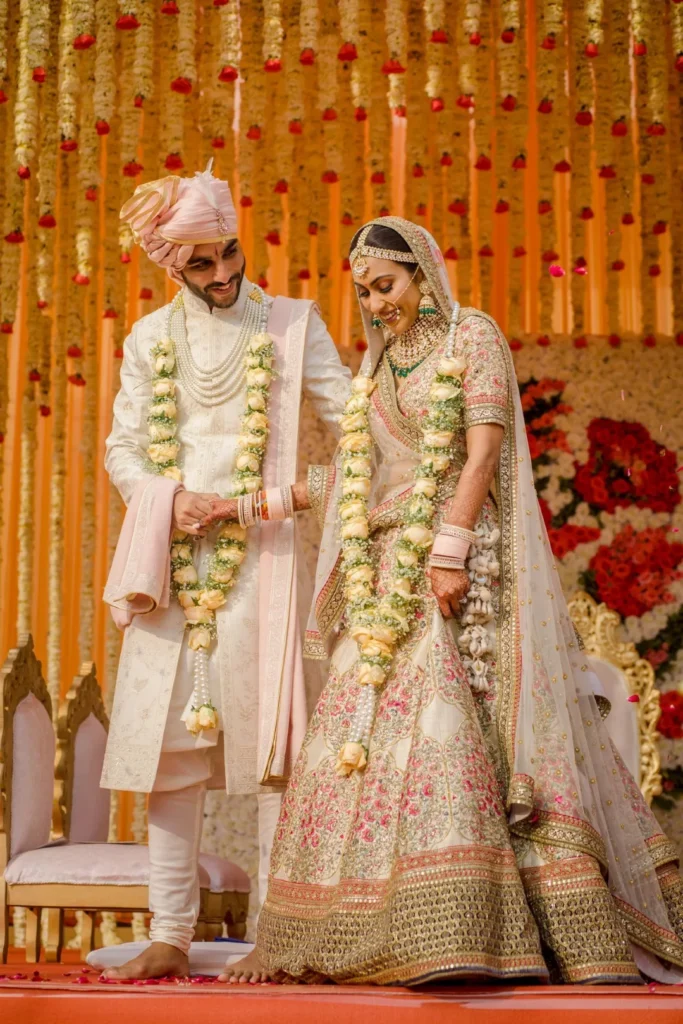
Radhika Merchant’s Wedding Costumes: A Photographic Journey Radhika Merchant’s wedding to Anant Ambani was a spectacular blend of elegance, tradition, and modernity, making it one of the most talked-about events of the year. Celebrated with grandeur and a deep respect for cultural traditions, each event in the wedding sequence showcased Radhika in exquisite costumes that reflected her unique style and the rich heritage of Indian bridal fashion. From the engagement to the reception, her outfits were a testament to her impeccable taste and the skilled craftsmanship of her designers.delve into the intricate details of Radhika’s stunning costumes for each event and provides tips on how to capture the essence of these beautiful moments through wedding photography. Engagement Ceremony For her engagement, Radhika chose a resplendent lehenga adorned with intricate embroidery and embellishments. The pastel hues combined with traditional motifs created a perfect blend of elegance and grace. As a photographer, focusing on the fine embroidery, beadwork, and intricate designs through close-up shots can highlight the craftsmanship. Utilizing natural light will bring out the softness of the pastel colors and the shimmer of the embellishments, while candid shots of the couple’s interactions can capture the joy and excitement of the engagement ceremony. Sangeet Ceremony For the Sangeet, Radhika opted for a glamorous and sparkling gown replete with sequins and beads, designed to dazzle under the event’s lighting. Photographers can use dynamic lighting techniques to capture the sparkle and shine of the gown. Highlighting the flow and movement of the gown during dance performances can add a magical touch to the photos. Additionally, focusing on the joyous expressions of the bride and guests will convey the festive spirit of the Sangeet ceremony. Haldi Ceremony Radhika’s choice for the Haldi ceremony was a simple yet elegant yellow saree, allowing the natural beauty of the ritual to take center stage. Incorporating natural elements like marigold flowers and turmeric can enhance the cultural significance of the photos. Close-up shots of the application of haldi on the bride can showcase the intimacy of the ritual, while documenting the emotions of family and friends can capture the joy and blessings for the bride. Wedding Ceremony Radhika’s wedding outfit was a traditional red bridal lehenga, richly embroidered with gold thread and adorned with jewels, epitomizing the grandeur and heritage of Indian weddings. Capturing the grandeur of the bride’s entrance and focusing on the intricate details and jewelry of her outfit can create stunning images. Documenting key moments like the exchange of garlands, the seven vows, and the tying of the mangalsutra will capture the essence of the wedding ceremony. Including family and group portraits can convey the communal joy of the event. Reception For the reception, Radhika chose a sophisticated and modern gown that blended Western influences with Indian aesthetics. This elegant outfit was designed to make a lasting impression. Photographers should use elegant and poised poses to match the sophistication of the gown and choose a grand and luxurious backdrop to enhance the reception’s theme. Capturing candid moments of interactions between the couple and their guests will showcase the celebration’s essence and provide a well-rounded view of the event. Conclusion Radhika Merchant’s wedding was a beautiful blend of tradition, culture, and modernity, reflected in her choice of costumes for each event. As a wedding photographer, capturing these moments requires a keen eye for detail, an understanding of cultural nuances, and the ability to convey emotions through the lens. Each outfit and event offers a unique opportunity to create timeless memories that the couple will cherish forever.
Capturing Royalty: The Majestic Elements of Anant Ambani’s Wedding Photography
Capturing Royalty: The Majestic Elements of Anant Ambani’s Wedding Photography Anant Ambani’s wedding was a grand spectacle, a fusion of opulence, tradition, and modernity. For wedding photographers, capturing the essence of such a momentous event involves more than just photographing the lavish decor and settings. It’s about encapsulating the emotions, relationships, and personalities of the bride, groom, family, friends, and guests. delve into how the photographers at Anant Ambani’s wedding skillfully captured these majestic elements, creating a timeless visual narrative of the celebration. The Bride and Groom: Icons of Elegance At the heart of Anant Ambani’s wedding photography were the breathtaking portraits of the bride and groom. These images captured the couple in moments of joy, anticipation, and love, highlighting their regal attire and the chemistry between them. Close-up shots focused on their expressions, the intricate details of their outfits, and the subtle glances they shared. These photographs not only portrayed their elegance and sophistication but also conveyed the depth of their bond, making each image a powerful testament to their union. Family Bonds: Portraits of Togetherness Family plays a pivotal role in Indian weddings, and Anant Ambani’s wedding was no exception. Photographers captured intimate moments of the family members, emphasizing their closeness and the emotional significance of the event. Group photos featuring the extended Ambani family were carefully composed to reflect their unity and joy. Candid shots of parents, siblings, and relatives sharing tender moments added a layer of authenticity and warmth to the collection. These photographs celebrated the strength of family bonds, showcasing the support and love that surrounded the couple. Friends and Their Joyous Celebrations The presence of friends added a vibrant and dynamic element to Anant Ambani’s wedding photography. Photographers skillfully captured the exuberance and energy of the couple’s friends as they participated in various ceremonies and celebrations. From choreographed dance performances to spontaneous bursts of laughter, these images reflected the joyous spirit of friendship. Group photos and candid shots highlighted the camaraderie and fun, adding a lively and spirited dimension to the wedding album. Guests: The Essence of a Grand Celebration Capturing the essence of the guests was crucial in portraying the grandeur of Anant Ambani’s wedding. Photographers focused on the diverse array of attendees, from celebrities to close family friends, capturing their interactions and reactions. Candid shots of guests enjoying the festivities, engaging in conversations, and offering their blessings provided a comprehensive view of the event’s social landscape. These photographs showcased the inclusivity and scale of the celebration, highlighting the importance of every individual present. Conclusion Anant Ambani’s wedding was a celebration of love, family, and friendship, brought to life through the lens of skilled photographers. By capturing the bride and groom’s elegance, the strength of family bonds, the joy of friendships, and the presence of esteemed guests, the photographers created a visual narrative that transcended the ordinary. Each photograph told a story of connection and celebration, immortalizing the majestic elements of the wedding. As we look back at these images, we are reminded of the timeless beauty and grandeur that defined Anant Ambani’s wedding, a royal affair captured with exceptional artistry.
How to Style Your Couple Shoot: Outfit Inspiration for Every Season:
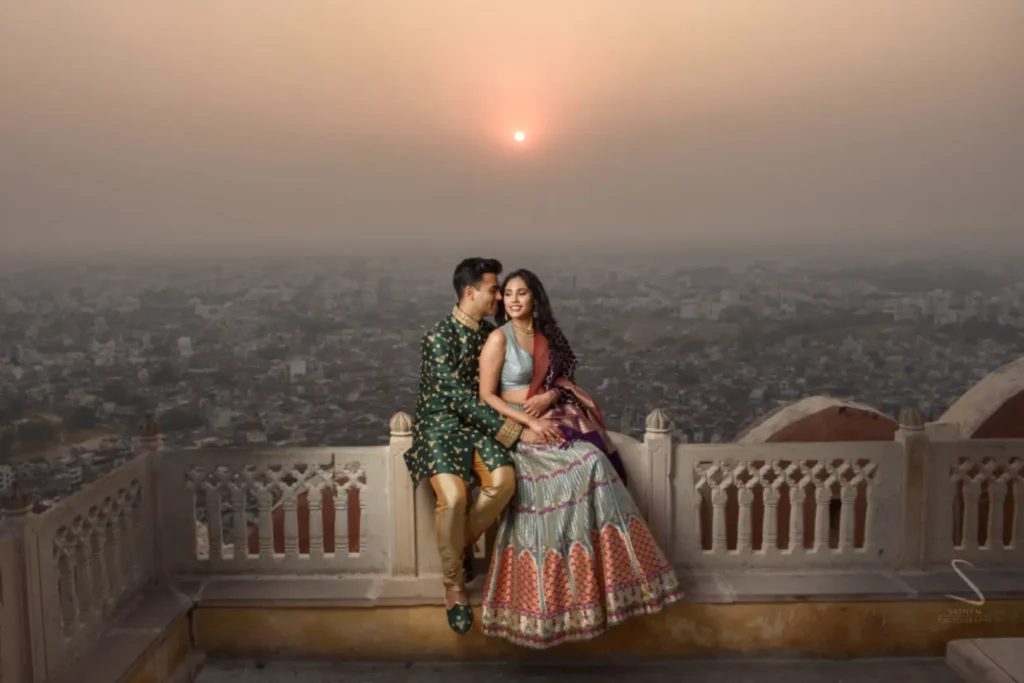
How to Style Your Couple Shoot: Outfit Inspiration for Every Season: A couple shoot is a beautiful way to capture the love and connection between you and your partner. The right outfits can enhance these photos, reflecting your personalities and the season in which they’re taken. At Knot Stories, we specialize in couple wedding photography and have gathered some outfit inspiration for every season to help you look your best. Spring: Fresh and Floral: Spring is a time of renewal and growth, making it perfect for vibrant and playful photos. Colors: Pastels, soft pinks, blues, and greens. Women: Flowy dresses with floral prints, light cardigans, or skirts with blouses. Men: Light chinos or jeans with pastel shirts, or a casual blazer over a simple tee. Accessories: Flower crowns, light scarves, and simple jewelry. Summer: Bright and Breezy: Summer shoots are all about capturing the warmth and joy of the season. Colors: Bright, bold colors like yellow, coral, and turquoise. Women: Sundresses, rompers, or shorts with a cute top. Men: Casual shorts with polo shirts or lightweight button-down shirts. Accessories: Sunglasses, straw hats, and beachy jewelry. Autumn: Warm and Cozy: Autumn offers a rich palette of colors and a cozy vibe for your photos. Colors: Earth tones like burgundy, mustard, burnt orange, and deep green. Women: Knit sweaters, long-sleeve dresses, or layered outfits with scarves and boots. Men: Dark jeans or chinos with flannel shirts, sweaters, or vests. Accessories: Beanies, chunky scarves, and statement boots. Winter: Elegant and Layered Winter shoots can be magical, especially with a bit of snow or festive decorations. Colors: Jewel tones like emerald, ruby, and sapphire, along with classic neutrals. Women: Long coats, stylish sweaters, and elegant dresses paired with tights. Men: Dark trousers with sweaters, layered with coats or blazers. Accessories: Wool hats, gloves, and cozy scarves. Tips for Any Season Coordinate, Don’t Match: Choose outfits that complement each other without being identical. This creates a cohesive look without being too matchy-matchy. Comfort is Key: Make sure you’re comfortable in your outfits. If you’re uncomfortable, it will show in the photos. Consider the Location: Your outfit should complement the location of the shoot. For example, formal attire might not be suitable for a beach shoot, while casual wear might not work in a historic city center. Layers and Textures: Adding layers and different textures to your outfits can add depth and interest to your photos. Avoid Busy Patterns: Stick to solid colors or subtle patterns to avoid distracting from your faces and expressions. ConclusionStyling your couple shoot is about expressing your personalities and the love you share. By choosing the right outfits for each season, you can create stunning, timeless photos that capture the essence of your relationship. At Knot Stories, we’re dedicated to providing top-tier couple wedding photography that you’ll cherish forever.For more tips and professional photography services, visit Knot Stories, where we turn your love story into a beautiful visual narrative.
Behind the Lens: A Photographer’s Guide to Baby Shower Etiquette
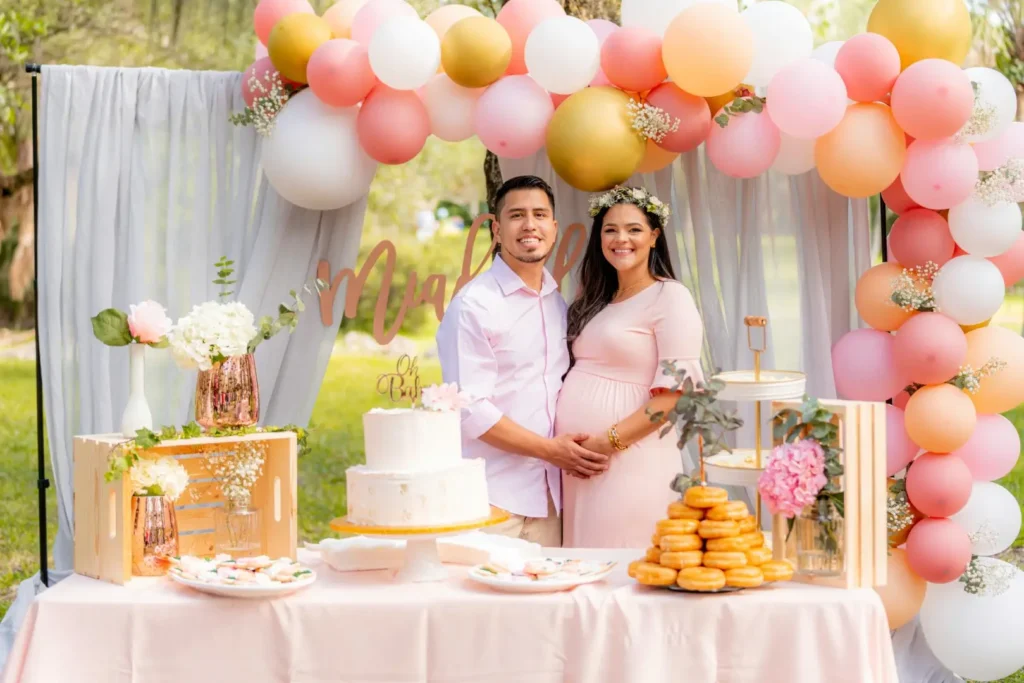
Behind the Lens: A Photographer’s Guide to Baby Shower Etiquette Capturing the joy and excitement of a baby shower is a unique and heartwarming experience. At Knotstories, we believe in creating beautiful memories that families can cherish forever. As a baby shower photographer, understanding the nuances of this special event is crucial to delivering exceptional results. Here’s a guide to help you navigate baby shower photography with grace and professionalism. Understanding the Event A baby shower is a celebration of the upcoming arrival of a new baby, typically attended by close friends and family. It’s a time filled with joy, laughter, and sometimes a few happy tears. As the photographer, your role is to capture these candid moments, the heartfelt interactions, and the overall atmosphere of the celebration. Pre-Event Preparation Communicate with the Host: Prior to the event, discuss the schedule, key moments, and any special requests with the host. Understanding their vision will help you tailor your approach and ensure you don’t miss any important shots. Scout the Location: If possible, visit the venue beforehand. This will help you identify the best spots for group photos, candid shots, and detail shots. Pay attention to lighting and potential backgrounds. Prepare Your Gear: Ensure you have all necessary equipment, including backup cameras, batteries, and memory cards. A variety of lenses will help you capture both wide-angle shots and intimate close-ups. During the Event Dress Appropriately: Blend in with the guests by dressing smartly but comfortably. This shows respect for the occasion and allows you to move around without drawing too much attention. Be Discreet: Baby showers are intimate gatherings. Move quietly and avoid interrupting conversations or activities. Candid shots are often the most cherished, so keep a low profile and let moments unfold naturally. Focus on Key Moments: Pay special attention to moments such as gift opening, games, and speeches. These are often the highlights of the event and will be treasured by the family. Capture the Details: Don’t forget the small details that make the event unique—decorations, food, gifts, and any personalized elements. These add depth to the photo album and help tell the full story of the day. Post-Event Etiquette Edit Thoughtfully: Select the best photos and edit them to enhance their quality. Maintain a natural look that reflects the warmth and joy of the event. Deliver Promptly: Aim to deliver the final photos within a reasonable timeframe. Timely delivery is a mark of professionalism and helps keep the excitement of the event alive for the family. Seek Feedback: Follow up with the host to ensure they are satisfied with the photos. Constructive feedback can help you improve your skills and build lasting relationships with clients. Conclusion: Being a baby shower photographer is about more than just taking pictures; it’s about capturing the essence of a special celebration. At Knotstories, we believe in preserving these precious moments with care and respect. By following this guide, you can ensure that your photography not only meets but exceeds the expectations of the families you serve.For more tips and insights on event photography, stay tuned to our blog. If you’re planning a baby shower and looking for a photographer who understands the importance of these moments, contact Knotstories today.
Why Every Modern Wedding Needs a Drone Photographer
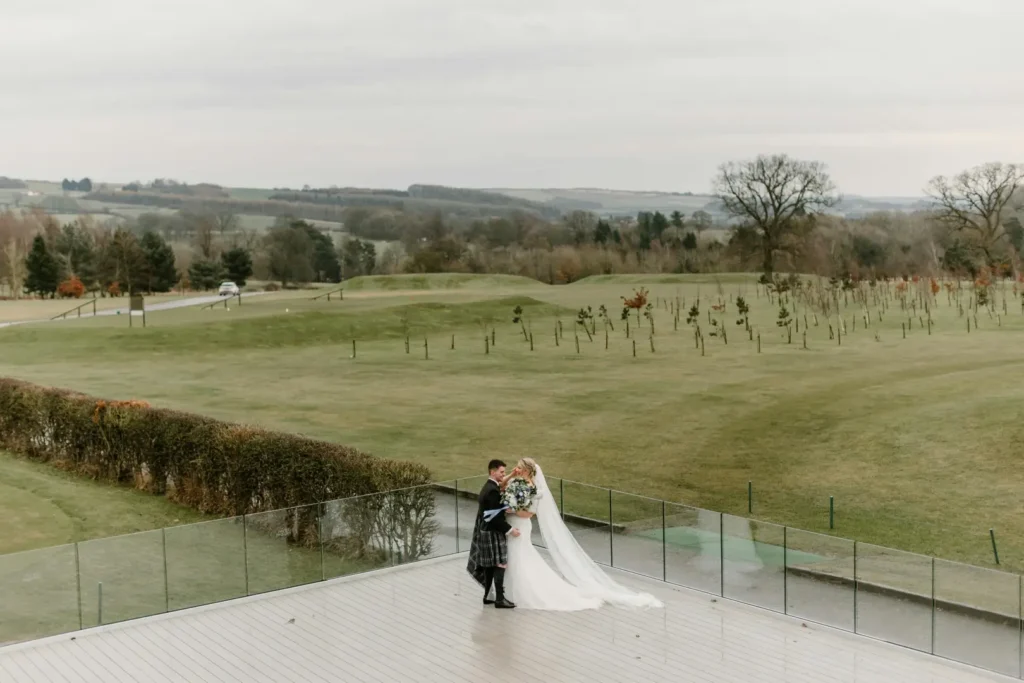
Why Every Modern Wedding Needs a Drone Photographer In recent years, the evolution of wedding photography has taken a leap, quite literally, into the skies. The advent of drone photography has revolutionized how weddings are captured, offering breathtaking aerial views and unique perspectives that traditional photography simply can’t match. Here’s why every modern wedding needs a drone photographer. A New Perspective on Your Special DayDrone Photography provides a bird’s-eye view of your wedding venue, capturing its full grandeur and beauty. Whether it’s a beachside ceremony, a lush garden reception, or a historic estate, drones can showcase the entire setting in one shot. This new perspective can highlight details like the intricate arrangements, the overall layout, and the picturesque surroundings, adding a cinematic quality to your wedding album. Capturing Unforgettable MomentsDrones are perfect for capturing large group shots and special moments from angles that are otherwise impossible. Imagine an overhead shot of the couple exchanging vows, the guests forming a heart shape around the newlyweds, or the entire wedding party captured in a single frame. These unique compositions make for stunning photographs that stand out in your wedding album. Seamless Integration with Traditional PhotographyA Drone Photographer works in tandem with a traditional Wedding Photographer, ensuring that no moment is missed from any angle. While the traditional photographer captures intimate and detailed shots on the ground, the drone photographer provides sweeping aerial views. This dual approach offers a comprehensive collection of images that tell the complete story of your day. Enhancing Wedding VideosIncorporating drone footage into your wedding video adds a dynamic and cinematic flair. Drones can smoothly glide over the venue, follow the couple as they walk down the aisle, and capture the festivities from above, creating a visually engaging narrative. The result is a wedding video that feels like a professionally produced film, complete with stunning aerial shots. Creating Memorable KeepsakesThe unique angles and perspectives provided by drone photography make for memorable keepsakes. These images and videos can be used in wedding albums, thank-you cards, and social media posts, providing a lasting reminder of your special day. The aerial shots are particularly striking and often become the standout images in your collection. A Trend That’s Here to StayDrone photography is not just a passing trend; it’s a technological advancement that has found a permanent place in wedding photography. As more couples seek to capture their special day in innovative and memorable ways, the demand for skilled drone photographers continues to grow. Investing in a Drone Photographer ensures that your wedding photos are not only beautiful but also cutting-edge. ConclusionIncorporating a drone photographer into your wedding plans elevates your wedding photography to new heights, quite literally. From capturing the entire venue to creating dynamic and cinematic videos, drones offer unparalleled advantages. At Knotstories, we believe that every modern wedding deserves the magic of drone photography to create memories that will last a lifetime.Make your special day unforgettable with the unique and breathtaking perspectives only a drone photographer can provide. Contact Knotstories today to learn more about how we can help you capture your wedding from the sky.
Romantic Portraits: Creating Stunning Bride and Groom Shots
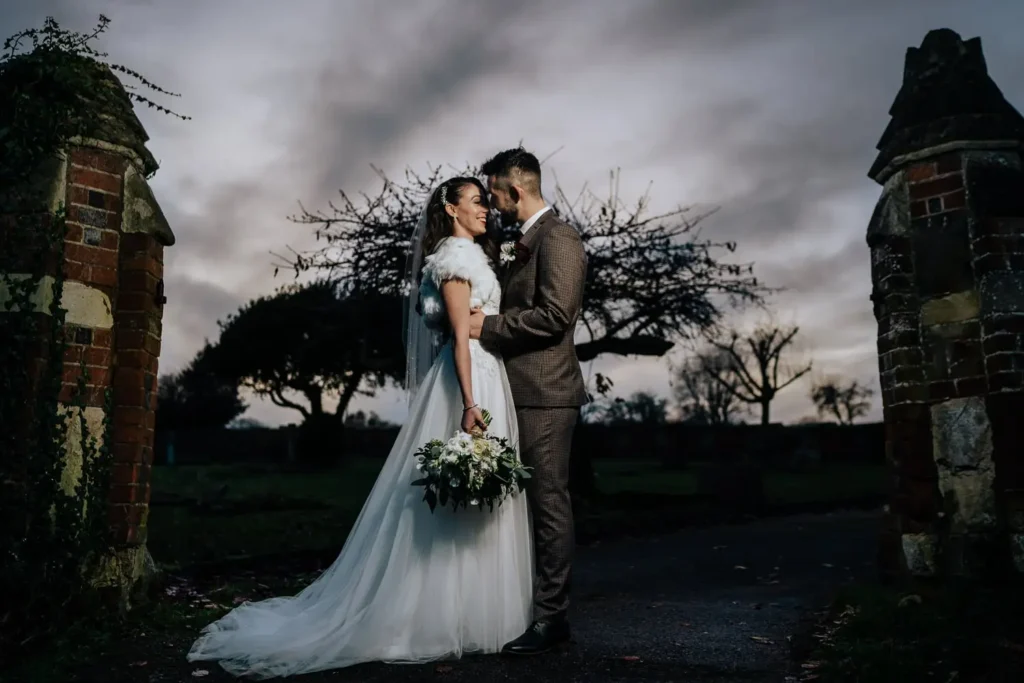
Romantic Portraits: Creating Stunning Bride and Groom Shots Romantic portraits of the bride and groom are often the most cherished images from a wedding day. These intimate shots capture the love and connection between the couple, creating memories that last a lifetime. Explore some tips and ideas for capturing stunning bride and groom portraits, focusing on posing and lighting techniques to ensure the best results. Understanding the Couple’s Vision Posing Techniques for Natural Interaction Posing plays a crucial role in capturing romantic portraits. The goal is to create natural and genuine interactions between the bride and groom. Encourage the couple to get close to each other, holding hands, touching foreheads, or sharing a gentle kiss. These poses create a sense of intimacy and connection. Asking the couple to walk hand in hand, dance, or whisper sweet nothings to each other adds a dynamic element to the photos and helps the couple feel more relaxed. Mastering Lighting Techniques Lighting is one of the most critical aspects of photography, especially for romantic portraits. The right lighting can enhance the mood and bring out the best features of the couple. The golden hour, just after sunrise or before sunset, provides soft, warm light that is perfect for romantic portraits. Positioning the couple with the light source behind them can create a stunning halo effect, adding a dreamy quality to the photos. Conclusion Capturing stunning bride and groom portraits requires a blend of technical skill, creativity, and an understanding of the couple’s unique love story. By mastering posing and lighting techniques, creating a comfortable environment, and incorporating meaningful surroundings, photographers can create romantic and intimate portraits that the couple will cherish forever. With these tips and ideas, you’ll be well-equipped to capture the magic and emotion of a couple’s special day, resulting in beautiful and timeless images.
Romantic Portraits: Creating Stunning Bride and Groom Shots
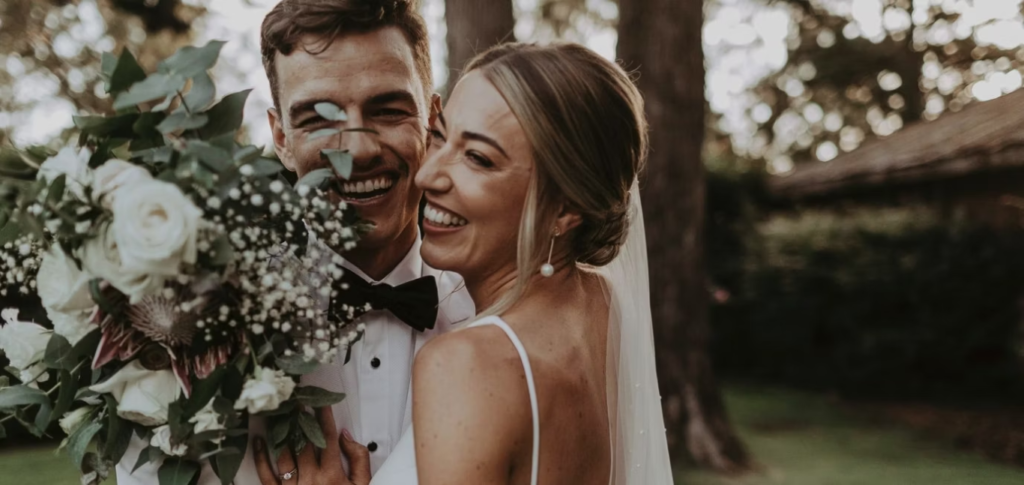
Romantic Portraits: Creating Stunning Bride and Groom Shots Romantic portraits of the bride and groom are often the most cherished images from a wedding day. These intimate shots capture the love and connection between the couple, creating memories that last a lifetime. Explore some tips and ideas for capturing stunning bride and groom portraits, focusing on posing and lighting techniques to ensure the best results. Understanding the Couple’s Vision Before the wedding day, it’s essential to understand the couple’s vision for their romantic portraits. Discuss their preferences, favorite poses, and any specific ideas they might have. Some couples may prefer classic and traditional poses, while others might lean towards candid and spontaneous shots. Understanding their vision helps in planning the session and ensuring the photos reflect their unique love story. Posing Techniques for Natural Interaction Posing plays a crucial role in capturing romantic portraits. The goal is to create natural and genuine interactions between the bride and groom. Encourage the couple to get close to each other, holding hands, touching foreheads, or sharing a gentle kiss. These poses create a sense of intimacy and connection. Asking the couple to walk hand in hand, dance, or whisper sweet nothings to each other adds a dynamic element to the photos and helps the couple feel more relaxed. Mastering Lighting Techniques Lighting is one of the most critical aspects of photography, especially for romantic portraits. The right lighting can enhance the mood and bring out the best features of the couple. The golden hour, just after sunrise or before sunset, provides soft, warm light that is perfect for romantic portraits. Positioning the couple with the light source behind them can create a stunning halo effect, adding a dreamy quality to the photos. Overcast days provide soft, even lighting that reduces harsh shadows and highlights, and using a diffuser or shooting in shaded areas can achieve this effect, resulting in gentle and flattering light. Creating a Comfortable Environment A relaxed and comfortable couple will naturally result in better photos. Spend time getting to know the couple before the session to build a good rapport, which helps them feel more comfortable and confident in front of the camera. Provide clear and gentle guidance on poses and movements, offering encouraging words and positive feedback to boost their confidence. Incorporate moments of fun and laughter into the session to capture light-hearted interactions and playful moments that often lead to the most genuine and beautiful shots. Conclusion
Mastering Frames and Angles in Wedding Cinematography
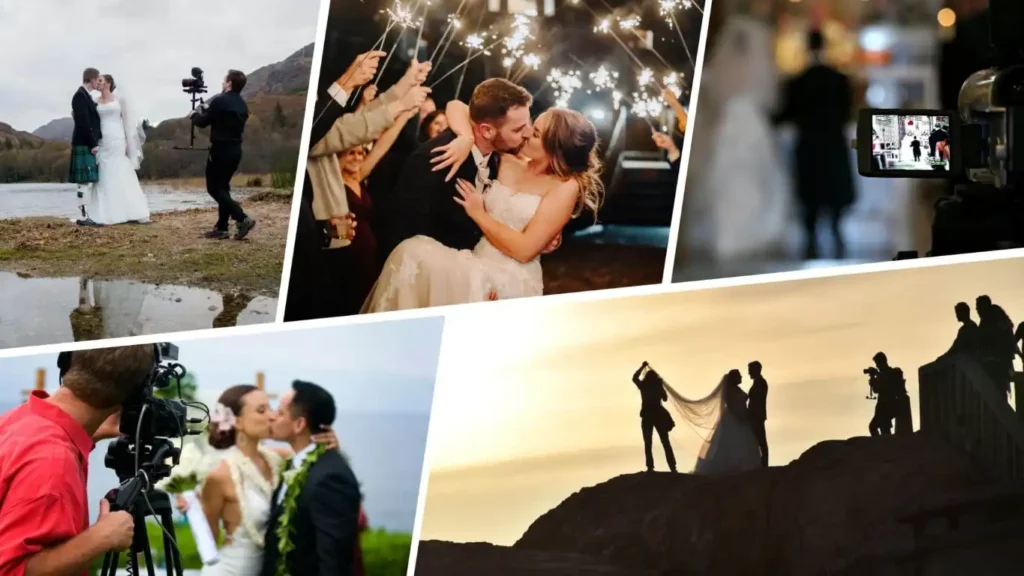
Mastering Frames and Angles in Wedding Cinematography Capturing the magic of a wedding requires more than just the right equipment; it demands an understanding of how to use frames and angles effectively. The choice of frame and angle can significantly impact the mood, style, and storytelling of wedding films. This blog will explore various frames and angles that wedding cinematographers use to create visually stunning and emotionally engaging wedding videos.[/caption] Wide Shots: Setting the Scene Wide shots are essential in wedding cinematography for establishing the setting and providing context. These shots capture the entire venue, showcasing the grandeur of the location, whether it’s a picturesque outdoor setting or an elegant indoor venue. Wide shots are often used at the beginning of the wedding film to set the scene and immerse viewers in the environment. By using wide shots, cinematographers can convey the scale and beauty of the wedding location, making it an integral part of the couple’s story. Medium Shots: Focusing on Key Moments Medium shots are perfect for capturing key moments during the wedding, such as the exchange of vows, the first kiss, and speeches. These shots balance the intimacy of close-ups with the context of wide shots, allowing viewers to see the couple and their immediate surroundings. Medium shots are often used to highlight interactions between the bride and groom and their guests, ensuring that the emotions and expressions are clearly visible while still maintaining a sense of place. Close-Ups: Capturing Emotion Close-ups are crucial for capturing the raw emotions of the wedding day. These shots focus on the faces of the bride, groom, and their loved ones, highlighting tears of joy, smiles, and other expressions that convey the emotional intensity of the moment. Close-ups can also be used to capture detailed shots of important elements, such as the exchange of rings, the signing of the marriage certificate, or the intricate details of the wedding attire. By using close-ups, cinematographers can create an intimate connection between the viewers and the subjects, making the wedding film more personal and impactful. Over-the-Shoulder Shots: Creating Perspective Over-the-shoulder shots are a great way to add perspective and depth to wedding films. These shots are taken from behind one subject, typically focusing on another subject or scene. For instance, capturing the groom’s view as the bride walks down the aisle or the bride’s perspective as she looks at the groom during the vows can add a unique and personal touch to the film. Over-the-shoulder shots help to immerse viewers in the experience, allowing them to see the wedding from the participants’ perspectives. Creative Angles: Adding Dynamism Using creative angles can add a dynamic and artistic flair to wedding films. Low-angle shots, for example, can make the couple appear more heroic and grand, while high-angle shots can capture the full scope of the venue and the guests. Dutch angles, which involve tilting the camera, can be used sparingly to add a sense of drama or excitement to certain moments, such as the first dance or the bouquet toss. Creative angles keep the wedding film visually interesting and can highlight the uniqueness of the couple’s special day. Conclusion Mastering the use of frames and angles is essential for wedding cinematographers to create captivating and memorable wedding films. Wide shots set the scene and establish context, medium shots focus on key moments, close-ups capture raw emotions, over-the-shoulder shots provide perspective, and creative angles add dynamism. By skillfully combining these elements, cinematographers can tell a compelling and visually stunning story that the couple will cherish forever. This guide serves as a foundation for wedding cinematographers to enhance their craft and deliver exceptional wedding films.
Storytelling Through Cinematography: Capturing the Narrative of Your Wedding Day
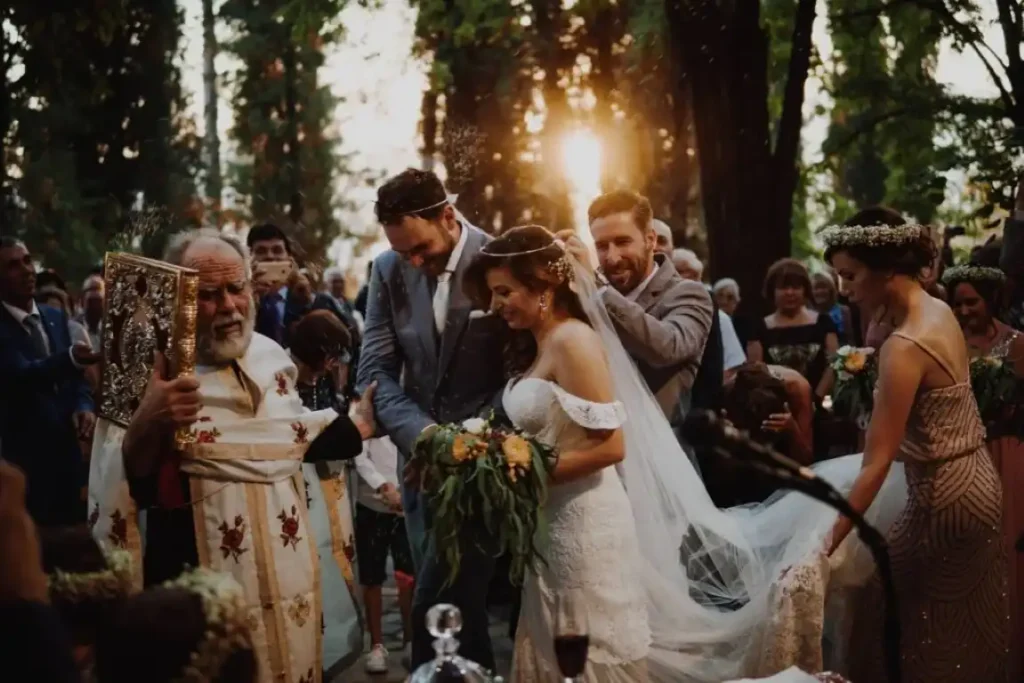
Storytelling Through Cinematography: Capturing the Narrative of Your Wedding Day Your wedding day is more than just a series of events—it’s a beautiful story of love, commitment, and celebration. And cinematography plays a crucial role in bringing that story to life. From the intimate moments of preparation to the joyous celebrations of the ceremony and reception, every detail is captured through the lens of a skilled cinematographer. explore how cinematography plays a pivotal role in telling the narrative of your wedding day journey, from start to finish. Setting the Scene: Preparing for the Big Day The journey begins with the preparations leading up to the wedding day. Cinematography allows you to capture the anticipation, excitement, and nervous energy as the bride and groom get ready for their big moment. From the bustling activity of the bridal party to the quiet moments of reflection between the couple, these intimate scenes set the stage for the rest of the day’s events. Through careful framing, lighting, and composition, cinematographers can capture the emotion and anticipation of this special time. The First Look: A Moment of Pure Emotion One of the most emotional moments of the wedding day is the first look. Cinematography allows you to capture the raw emotion and genuine reactions as the bride and groom see each other for the first time. From the nervous anticipation to the overwhelming joy and love, these moments are precious and fleeting. Through close-ups, slow-motion shots, and creative angles, cinematographers can preserve these heartfelt moments for eternity, allowing the couple to relive them again and again. The Celebration: Joyous Moments with Family and Friends As the day transitions into the celebration, cinematography continues to play a vital role in capturing the joy, laughter, and love shared among family and friends. From the heartfelt speeches and toasts to the energetic dance floor antics, every moment is a chapter in the story of the couple’s love and happiness. Through candid shots, aerial views, and creative editing techniques, cinematographers weave together a narrative that encapsulates the spirit of the celebration. The Final Chapter: Reflecting on a Day to Remember As the wedding day draws to a close, cinematography provides a lasting memento of the couple’s journey from “I do” to “happily ever after.” Through a carefully crafted wedding film, couples can relive the magic and emotion of their special day for years to come. From the quiet moments of preparation to the jubilant celebrations with loved ones, every detail is preserved in stunning cinematic detail, allowing the couple to cherish and share their love story for generations. Conclusion Cinematography is more than just capturing images—it’s about telling a story. Through careful framing, composition, and editing, cinematographers have the power to transform the moments of your wedding day into a timeless narrative that will be treasured for a lifetime. By capturing the emotion, beauty, and significance of each moment, cinematography allows you to relive the magic of your wedding day again and again, ensuring that your love story lives on forever.