
Choosing the right wedding photography style can be confusing.
With so many trends and styles available today, couples often find themselves deciding between candid photography and traditional wedding photography.
But these two styles are not really competitors.
They capture different parts of your wedding story.
Traditional photography focuses on preserving important rituals, family portraits, and timeless moments.
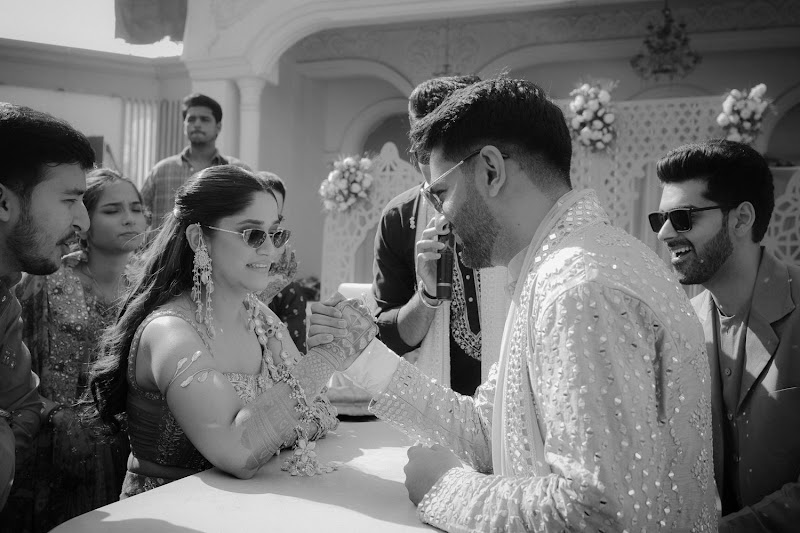
Candid photography focuses on emotions, reactions, and the small moments that happen naturally.
Understanding what each style does best can help you choose the right approach for your wedding.
A professional wedding photography team can help you create the right balance between candid emotions and traditional coverage based on your wedding style.
What Traditional Wedding Photography Captures Best
Traditional wedding photography follows a structured and planned approach.
The photographer focuses on capturing important moments clearly, including:
- Family portraits
- Wedding rituals
- Couple portraits
- Group photographs
- Key ceremony moments
The biggest strength of traditional photography is completeness.
Every important ritual, every family combination, and every formal moment gets documented properly without depending on timing or chance.
This becomes especially important in multi-generational South Indian weddings, where ceremonies involve several traditions, extended families, and meaningful rituals.
A traditional approach ensures that important memories are preserved:
- The couple with their parents
- Family photographs after the ceremony
- Important wedding rituals
- Formal portraits that become family keepsakes
These are often the photographs that parents and grandparents treasure the most.
Years later, these images become more than just wedding pictures.
They become a visual record of family relationships and traditions.
Why Traditional Photography Still Matters
Even couples who prefer candid photography usually include traditional coverage.
The reason is simple.
Some moments deserve to be captured in a clear and timeless way.
Family portraits, in particular, hold a special place in Indian weddings.
While couples may love emotional candid photographs, parents and grandparents often want photographs where everyone is together and clearly visible.
Skipping formal photography completely can mean missing photographs that family members may want to preserve for decades.
A wedding album is not only created for the couple.
It becomes a memory collection for the entire family.
What Candid Wedding Photography Captures Best
Candid wedding photography takes a completely different approach.
Instead of directing every photograph, photographers observe the celebration and capture genuine moments as they naturally happen.
The focus is on emotions.
Candid photography captures moments such as:
- A parent’s emotional expression during a ritual
- Friends laughing together
- A nervous smile before the ceremony
- A quiet glance between the couple
- Children enjoying the celebrations
- Unexpected interactions between family members
The beauty of candid photography is that nothing feels forced.
The photographs show the real atmosphere of the wedding.
They capture not just what happened, but how the moment actually felt.
The Beauty of Unplanned Moments
Some of the most meaningful wedding memories are often the moments nobody planned.
They happen between the main events.
A sibling laughing during a ritual.
A friend getting emotional during the vows.
A parent quietly watching their child get married.
A small conversation between relatives.
These moments may last only a few seconds, but they often carry the strongest emotions.
Candid photography helps preserve these hidden stories that might otherwise go unnoticed.
How Candid Photography Adds More Emotion to Your Album
Traditional photographs show the important highlights of your wedding.
Candid photographs show the emotions happening around those highlights.
For example:
A traditional photograph may capture the wedding ceremony beautifully.
A candid photograph captures the mother’s expression while watching it.
A traditional photograph shows the couple on stage.
A candid photograph captures their laughter just before the photograph was taken.
These small details are what make a wedding album feel alive years later.
Where Each Style Falls Short on Its Own
Both photography styles have their own strengths.
However, relying completely on only one style can create certain limitations.
Photography Style
Possible Limitation
Traditional Photography
Can feel more formal and may miss spontaneous emotional moments
Candid Photography
May miss some important family portraits and structured ritual coverage
Traditional-only coverage can create a complete record of the wedding but may not capture the emotional moments happening around the ceremony.
Candid-only coverage can capture beautiful emotions but may miss certain formal photographs and important family combinations.
Why Most Couples Choose a Blend of Both
Today, many couples prefer a hybrid approach.
Instead of choosing only one style, they combine both traditional and candid photography.
Traditional photography helps capture:
✓ Important rituals ✓ Family portraits ✓ Formal couple photographs ✓ Cultural moments
Candid photography helps capture:
✓ Genuine emotions ✓ Natural reactions ✓ Behind-the-scenes memories ✓ Unplanned moments
This combination creates a more complete wedding story.
You get photographs that show:
What happened.
And also:
How it felt.
How a Two-Photographer Team Helps
For larger weddings, having multiple photographers can make a major difference.
During Indian weddings, many moments happen simultaneously.
While one important ritual is happening on stage, emotional reactions may be happening among family members and guests.
A two-photographer team allows:
One photographer to focus on:
- Main rituals
- Couple moments
- Formal photographs
Another photographer to capture:
- Family reactions
- Guest emotions
- Behind-the-scenes moments
This creates a more complete storytelling experience.
Instead of seeing only the main event, you also get the emotions surrounding it.
How to Choose the Right Photography Style for Your Wedding
There is no universally better style.
The right choice depends on your wedding size, traditions, family expectations, and the kind of memories you want to preserve.
Consider Your Wedding Scale
A small intimate wedding may require a simpler photography approach.
However, weddings with:
- Multiple ceremonies
- Large guest lists
- Different venues
- Parallel events
usually benefit from a combination of candid and traditional coverage.
Understand Your Family Expectations
Photography decisions are not only about the couple.
Parents and grandparents may have their own expectations about formal photographs and family portraits.
Having this conversation early helps everyone feel included.
Check Full Wedding Albums Before Booking
Do not judge a photographer only through Instagram highlights.
A few beautiful images do not always show how they handle an entire wedding.
Ask to see complete wedding galleries and look for:
- Storytelling flow
- Ritual coverage
- Emotional moments
- Family interactions
- Consistency throughout the album
A full wedding album gives a much better understanding of the photographer’s approach.
Final Thoughts
There is no single photography style that works perfectly for every wedding.
Traditional photography preserves the important rituals, relationships, and family connections.
Candid photography captures the emotions, reactions, and small moments that make your wedding unique.
For most couples, the ideal choice is a balance of both.
Your wedding is not just a collection of beautiful photographs.
It is a story filled with traditions, emotions, people, and memories that deserve to be preserved.
Looking for a wedding photography team that captures both emotions and traditions?
Knot Stories specialises in blending candid emotions with complete traditional wedding coverage, creating timeless wedding stories for Chennai couples. Every photograph is captured to preserve not just the moment, but the feeling behind it.